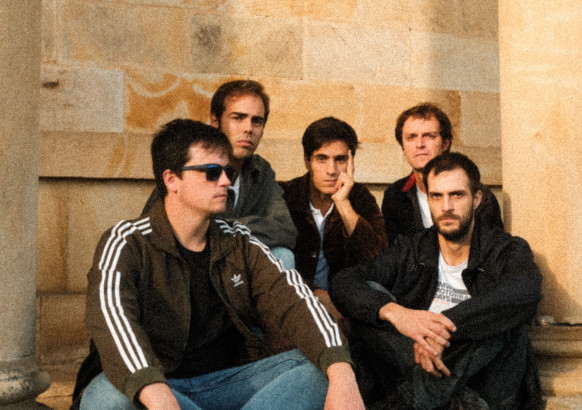
MARBAN continue opening the road to their second album with “El Espejo”, a new preview in which the Getxo band puts doubt at the centre: what happens when the person we want to become does not quite match the one looking back at us.
Following “Mis Ojos”, the group presents another chapter from the album due in early 2027. Its starting point is the fear of falling short of what we once expected from ourselves, with writing that leaves more space for the emotional weight of the song.
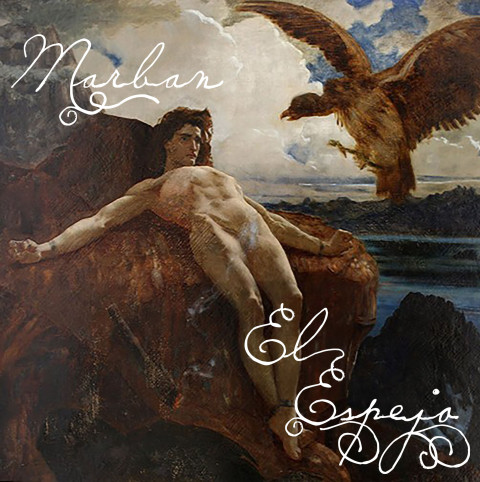
Prometheus, fatherhood and a much less epic question
The imagery of “El Espejo” turns to Prometheus —the father who gives fire to those who come after him— and shifts the focus towards the person receiving that legacy. The question then stops being heroic and becomes far more uncomfortable: will I be able to carry it, and will I really be the father I imagine myself to be?
The mythological reference could easily tip into grandiosity. Its strength lies in taking it in the opposite direction: towards a familiar, almost domestic insecurity. That is where the idea gains weight, because it stops being about large symbols and starts being about expectations, fear and responsibility.
There is also an obvious challenge: an idea like this truly works when the song itself can carry it without explanations around it. If the metaphor lands and moves the listener on its own, MARBAN may have found a powerful axis for the record; if it needs too much context, some of that force will disappear.
The second album begins to take shape
With “Mis Ojos” and now “El Espejo”, MARBAN are beginning to sketch out an album more interested in questions than answers. It is still too early to know how far that direction will run through the finished record, but the project already has something in its favour: a specific inner conflict behind the songs rather than the generic promise of a “new era”.