Bárbara Pérez steps into the spotlight with «Kátharsis»
Barcelona singer Bárbara Pérez has spent years supporting other musicians' projects. Her eight-track album «Kátharsis» marks a personal shift: she is finally gi
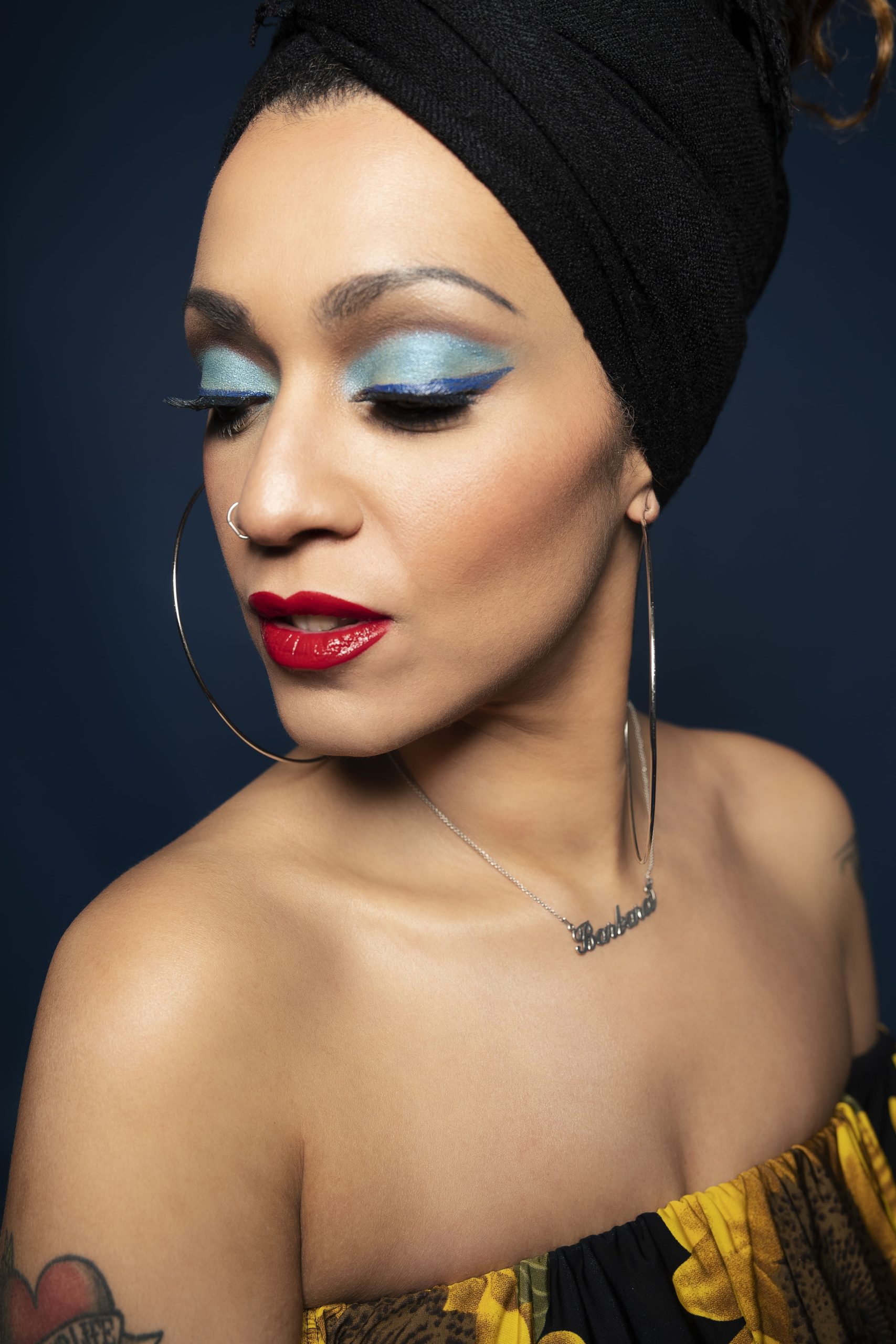
Barcelona singer Bárbara Pérez has spent years supporting other musicians’ projects. Her eight-track album «Kátharsis» marks a personal shift: she is finally giving her own songs the attention they have long deserved. The record will be presented at Barcelona’s Nota 79 on November 8, 2026.
The question that changed her priorities
Her mother used to ask when she would sing her own songs. After losing both parents, Pérez began to understand that question differently. Grief and the awareness that time does not stand still pushed her to reconsider how much creative energy she reserved for herself. The record grew from that decision rather than from a sudden attempt to reinvent her career.
Eight songs and several musical languages
The album addresses love, motherhood, loss and decisions that alter a life. Its sound moves through soul, reggae and contemporary pop, drawing on the musical experiences Pérez has accumulated while spending five or six years alongside other artists. «Se nos rompió el amor», accompanied by an official video, provides one accessible introduction to this new phase.
From supporting others to speaking for herself
The most significant part of «Kátharsis» is not a rejection of collaboration. It is the decision to give her own storytelling the same space she has long offered other people’s songs. Her November 8 concert at Nota 79 will provide a chance to hear that new focus on stage. The record treats music as a way of confronting experiences without requiring simple answers.
Reclaiming a familiar song
Before the album, Pérez released her interpretation of «Se nos rompió el amor», famously sung by Rocío Jurado. She had known the song since childhood; in her hands, new pop and soul arrangements by Joseph Derteano give it another emotional perspective. It is a revealing choice for an artist searching for her own voice. Reinterpreting a classic does not have to mean competing with its most celebrated singer. It can mean asking what the song expresses when filtered through another person’s history. That connects the music we inherit with the songs we eventually choose to make.